

Jev AI Guide How It Works Benefits Risks and Use Cases
Jev AI and the Future of Decisions Inside Software TL;DR: Jev, from TypeSafe AI, is a decision model rather than a chatbot. Your software sends it context and questions, and it returns a choice from options you define, with probabilities and a confidence value. That suits routing, approval gates and triage inside systems, not writing […]
Read More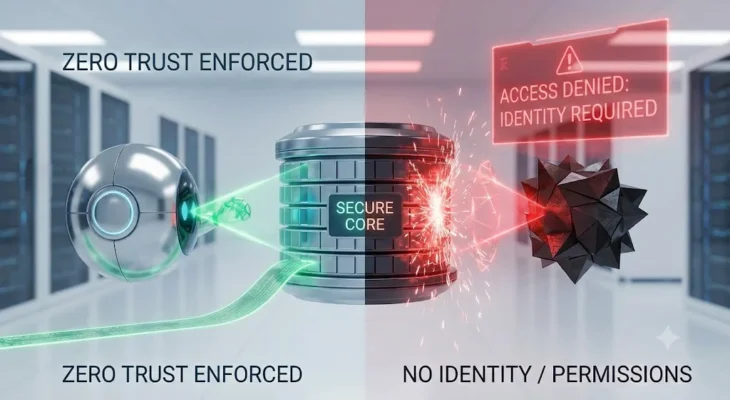
Zero Trust for AI Agents: Why Every Agent Needs Its Own Identity, Permissions and Audit Trail
Zero Trust for AI Agents: Identity, Access & Accountability TL;DR: Treat every AI agent like a privileged user: give it its own identity, only the permissions its task needs, and a complete audit trail of what it did. Shared service accounts and broad API keys make agent actions untraceable and can turn one compromised agent […]
Read More
Operationalizing AI Security in India : Simplify to Scale
Operationalizing AI Security in India : Simplify to Scale TL;DR: Securing AI in India means turning principles into routine practice: secure data first, set governance policies, train employees, build security into AI development and monitor continuously. The main barrier is complexity, so simpler, automated controls help organisations scale AI without adding risk. Artificial Intelligence is […]
Read More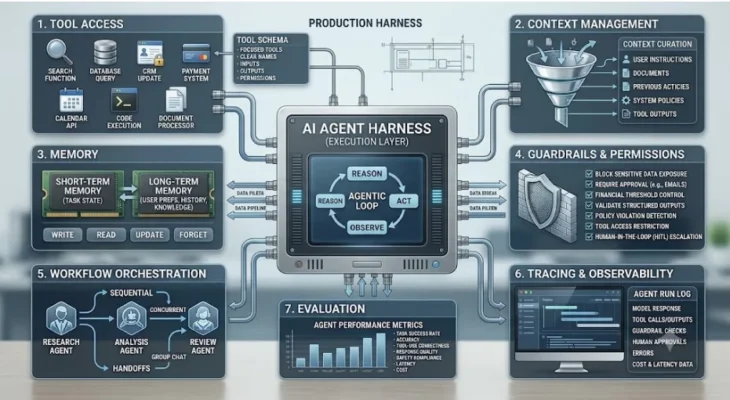
AI Agent Harness: The Architecture Behind Reliable AI Agents
AI agents are moving from impressive demos into real business workflows. They can search knowledge bases, call APIs, analyze files
Read More
AI-Powered IT Security Evolution
As cyber threats become more sophisticated, IT security teams are under immense pressure to stay ahead of attackers. Traditional security measures…
Read More
The Dawn of the “AI Hacking Era”: How Cybersecurity Must Evolve
What’s Happening?
For years, cybersecurity experts have warned that artificial intelligence (AI) could become a double-edged sword.

AI Bots: Your Newest Team Members in the Digital World
In today’s fast-evolving digital landscape, AI bots are no longer just futuristic concept – they’re active participants in how we communicate…
Read More