
The Threat of Facial Data Storage: A Privacy Breach
TL;DR: Storing facial data alongside AI-generated images, such as Ghibli-style art, exposes people to misuse and impersonation if the data is breached, and removes their control over their likeness. Express consent, anonymisation and deletion, encryption and regulatory oversight reduce the risk.
The Threat of Facial Data Storage: A Privacy Breach
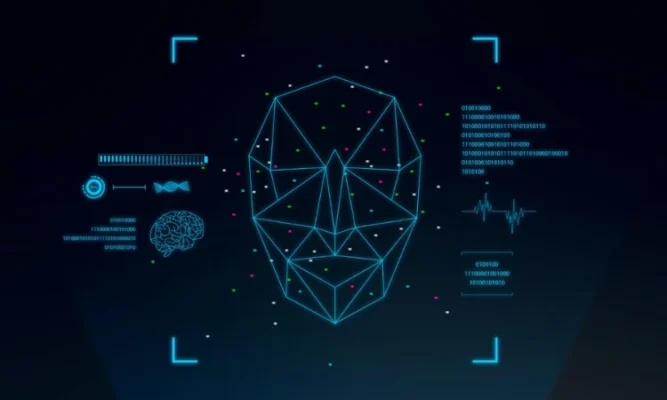
Facial recognition technology has become widespread, but what happens when AI models are trained on this data to generate images in artistic styles like Studio Ghibli? This raises serious privacy concerns.
The Risk of Ghibli-Style Art Produced by AI
Consider an AI program that can transform your face into a character reminiscent of Ghibli. Although the idea may seem entertaining, there are serious risks involved:
Data Storage and Privacy Risks:
Once AI stores facial data, it might be misused. The technology becomes vulnerable to abuse if it keeps real facial information in addition to Ghibli-style pictures. These photos and the original facial data could be accessed by hackers, which could result in unauthorised usage or impersonation.
Loss of Control:
You have no say over how your resemblance is used once facial data is used to create a Ghibli-style image. Without your consent, your face could be copied and used in ways you never consented to.
Strict Consent:
Prior to collecting or using facial data, always get express consent. People should be fully informed about the usage of their data, particularly when it comes to AI-generated art.
Anonymisation:
To avoid identification, store facial data in an anonymous manner. When personal information is no longer required, delete it.
Encryption:
To prevent unwanted access, facial data should be encrypted both during storage and transmission.
Regulation and Oversight:
To preserve privacy and regulate the use of facial data in AI systems, stricter restrictions are required
Conclusion
Despite being a creative novelty, AI-generated Ghibli-style art poses serious privacy risks. We can guarantee that people’s facial data is safeguarded, avoiding misuse and upholding privacy, by putting appropriate permission, anonymisation, encryption, and regulation into practice.
Frequently asked questions
Is it safe to upload my face to an AI image generator?
It carries risk. If a service keeps your original photo or facial data, a breach could let attackers misuse it or impersonate you. Check the privacy policy for what is stored, for how long and whether you can delete it. Where the policy is unclear, avoid uploading clear photos of your face.
What are the privacy risks of AI Ghibli-style art trends?
The main risks are that the service stores real facial data as well as the stylised images, making a breach more damaging, and that you lose control over how your likeness is reused or copied. The creative output is harmless; the stored source photo is the exposure.
How can organisations protect stored facial data?
Obtain express consent before collecting it, anonymise it where possible and delete it when no longer needed. Encrypt it at rest and in transit, restrict access, and follow applicable data protection regulation and oversight.
Why is facial data more sensitive than a password?
A password can be changed after a leak, but your face cannot. If facial data is stolen it can be reused for impersonation or identity fraud, so it needs stronger safeguards, a clear purpose and a firm deletion policy.
Can I ask a company to delete my facial data in India?
Under India’s Digital Personal Data Protection Act 2023, individuals have rights to seek erasure of personal data and to withdraw consent, subject to the Act’s conditions. The DPDP Rules were notified in November 2025 with obligations phased in over roughly 18 months, so check which provisions are in force.