
- October 21 2026
-
 Nilesh Golecha
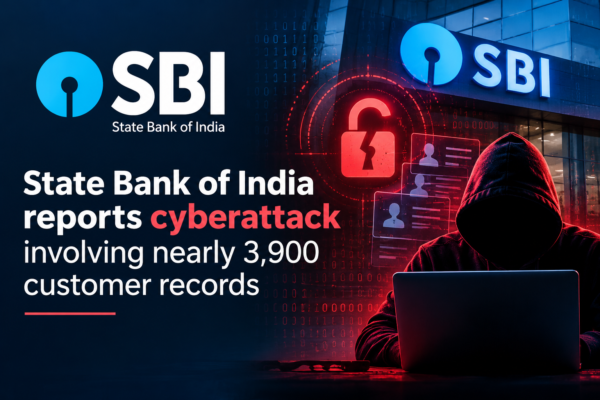
SBI Cyberattack: Customer Data Security Risks
Introduction
Recent reports concerning the exposure of State Bank of India (SBI) customer records have highlighted the growing importance of cybersecurity in the financial sector. This reported incident reinforces the need for stronger data protection, proactive security measures, and effective risk management.
Financial institutions handle large volumes of sensitive information, including personal details, residential addresses, contact information, loan applications, and supporting documents. When such information is exposed, it may increase the risk of phishing, identity theft, fraudulent loan applications, and targeted financial scams.
While data exposure does not automatically mean that bank accounts or funds have been compromised, it emphasizes the importance of protecting customer information.
What Does the SBI Data Exposure Highlight?
The reported SBI cyberattack and data exposure highlight several cybersecurity concerns:
Customer privacy: Sensitive personal and financial information requires appropriate safeguards.
Phishing and social engineering: Exposed details can help attackers create convincing messages impersonating banks or financial institutions.
Identity misuse: Personal information may be misused in attempted impersonation or fraudulent applications.
Trust and reputation: Security incidents can raise concerns about how organizations manage and protect customer data.
These risks demonstrate why organizations must continuously assess their security controls and preparedness.
How Hexatic Helps Organizations Strengthen Cybersecurity
At Hexatic, we help organizations strengthen their security posture through cybersecurity, infrastructure protection, and Governance, Risk & Compliance (GRC) practices.
1. Threat and Vulnerability Management
Identifying security weaknesses and assessing potential risks helps organizations prioritize remediation and reduce exposure to cyber threats.
2. Network and Infrastructure Security
Secure configurations, stronger network defenses, and appropriate access controls help protect critical systems against unauthorized access and potential attacks.
3. Data Protection and Access Control
Organizations need appropriate safeguards to protect sensitive information, restrict access according to business requirements, and reduce unnecessary exposure of confidential records.
4. Governance, Risk & Compliance (GRC)
Effective GRC practices help organizations establish security policies, assess risks, strengthen accountability, and support applicable regulatory and compliance requirements.
5. Security Monitoring and Incident Readiness
Continuous monitoring, incident response planning, and recovery procedures help organizations improve their ability to identify suspicious activity, contain incidents, and restore operations.
How Can Organizations Reduce the Risk of Financial Cyberattacks?
Organizations can strengthen their security practices by:
Conducting regular security assessments and vulnerability reviews.
Enforcing multi-factor authentication and least-privilege access.
Encrypting sensitive information and protecting stored records.
Monitoring suspicious activity and investigating security alerts.
Training employees to recognize phishing and social engineering.
Maintaining and testing incident response and recovery plans.
No single security measure can eliminate every threat. A layered, proactive approach can help reduce risks and improve resilience.
Conclusion
The reported SBI data exposure highlights an important lesson: cybersecurity is not just about protecting systems—it is about protecting people, information, and trust.
At Hexatic, we believe that combining cybersecurity, infrastructure protection, and strong governance practices helps organizations build more secure and resilient digital environments.
By prioritizing prevention, preparedness, and continuous improvement, businesses can take meaningful steps towards protecting customer information and strengthening digital trust.
Hexatic | Security. Governance. Compliance.